

Our companion animals can be exposed to dangerous household toxins that could put their health and, worse, their lives, at risk. For this reason, we are passionate about educating pet parents on pet poison prevention.
Poisons Affect Species Differently
Many things we use in our daily lives can pose a pet poisoning risk. Because each species processes poisons differently, what is toxic to a cat may not be toxic to a dog, just as what’s toxic to humans may or may not affect other species.
For this reason, it’s important to know the most common causes of poisoning for our pet species and use caution around them. If you have a multi-species household, it’s doubly important to understand the different poisons that may be lurking in your cupboards.
Toiletries & Medicine That Poison our Pets
Practice caution when administering, applying, and storing OTC or prescription medications. Many of the medications that are safe for us can cause kidney failure or worse in our pets. To be safe, avoid distractions when medicating yourself or others and wash your hands thoroughly after applying serums, creams, etc.
A Common Pet Poison
Xylitol is one of the most common pet poisons these days, particularly for dogs. A sugar alcohol used to sweeten sugar-free gum and candy, oral medications, and dental care for humans, even minor Xylitol consumption in dogs can lead to death. With this in mind, always read labels when purchasing new products. And, keep your purses and/or luggage elevated and out of your pets’ reach, especially if you are carrying items containing dangerous compounds like Xylitol.
Food & Beverage That Can Poison Our Pets
Caffeine, chocolate, and alcoholic beverages can be lethal to pets if enough is ingested. Additionally, food items such as raw dough, onions, raisins, and grapes can cause significant damage to your pet’s digestive system if consumed. As a best practice, we recommend that you do a quick online search to confirm the safety of any food item you think your dog might enjoy. It’s better to take a few seconds to verify than to spend a fortune at the veterinarian and risk your pet’s health.
Poisonous Household Items
Household items such as flowers, cleaning supplies, antifreeze, pesticides, and insecticides can be highly dangerous to our pets. Certain types of lilies, while beautiful and fragrant, can be deadly to cats and should be entirely avoided. Bulbs, soil, and certain types of mulch, namely cocoa mulch, should also be avoided and/or placed away from our pets’ favorite areas, to prevent stomach upset, diarrhea, vomiting, and more.
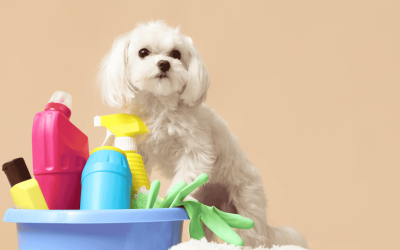
Please store all potentially toxic and corrosive household products away from your pets and their food and water bowls. And, take extra precautions when using or applying these chemicals around the home. Follow all instructions and keep pets away from treated areas.
Pet Poisoning Emergencies
If you suspect your pet has been poisoned, contact the Pet Poison Helpline or ASPCA’s Animal Poison Control Center immediately. When calling poison control, remain calm and provide as much information as you can. Remember to have a payment method handy because there is a fee for using either of these life-saving services.

If you have any questions on how we work to prevent poisoning during services, please call 757-745-9868 or email Hello@HeartsAtHomePetSitting.com.


0 Comments